
The Importance of Exercise
Let’s talk about Exercise. Regular exercise is a cornerstone of a healthy lifestyle, offering numerous physical, mental, and emotional benefits. As everyone should know, physical activity not only enhances physical fitness but also boosts overall well-being. By improving your physical health, you will be able to maintain a healthy weight and reduce the risk of chronic diseases such as heart disease and diabetes.
Exercise also plays a crucial role in promoting mental health. Each time you engage in physical activity, your body starts to release endorphins, which act as natural mood lifters and can combat stress, anxiety, and depression. Research conducted by health experts indicates that individuals who dedicate time to regular exercise report higher levels of life satisfaction and lower levels of perceived stress. This leads to mental clarity and emotional stability, enhancing productivity and creativity.
Another remarkable advantage of maintaining a routine that includes movement is the elevation of your energy levels. Individuals often report experiencing more energy during the day and feeling less fatigue during daily activities. This heightened energy not only impacts physical capabilities but also enhances productivity and focus in daily tasks, as it was said previously.
To get his benefits, you don’t need to work out for 1 hour or more each day. There is this common misconception that to achieve these healthy benefits, you must do long and intense workout sessions. However, evidence shows that shorter periods of movement can be equally effective. According to recent studies, just 10-15 minutes of daily exercise can lead to substantial health improvements!
In conclusion, the importance of regular exercise cannot be overstated. By incorporating a mere 10-15 minutes of daily exercise, individuals can unlock numerous benefits that enhance quality of life on multiple levels, ultimately fostering a healthier and more fulfilling life.
Short Workouts: A Changing Perspective
In recent years, I have started to see a change in this community. While traditional workout programs often emphasize lengthy sessions, research indicates that the effectiveness of physical activity is not solely tied to duration but rather to consistency. Committing just 10 to 15 minutes a day to exercise can have profound, long-lasting effects on overall health and well-being.
Statistics reveal that shorter, high-intensity workouts can improve cardiovascular fitness and strength just as effectively as longer sessions. For example, a study published in the Journal of Sports Sciences observed that participants engaging in brief workouts experienced comparable gains in endurance when contrasted with those participating in extended exercise routines. These findings underscore that even minimal time investments in physical activity can yield sustainable lifestyle changes.
One of the greatest benefits of focusing on shorter exercise routines is that individuals are more likely to engage in physical activity without feeling overwhelmed or discouraged. This approach fosters a positive relationship with exercise, encouraging people to find joy in movement rather than associating it with lengthy, arduous sessions.
Further, brief sessions of physical activity can be easily tailored to fit each person’s schedule, making it possible for busy individuals to prioritize their health. Whether it is a quick jog or a series of body-weight exercises, the objective remains the same: creating a sustainable and enjoyable exercise regime.
Finding the Right Exercise for You
I have done a little bit of everything over time. When I was a kid, I did gymnastics and karate, then changed to high-adrenaline activities such as roller skating and BTT, and when I reached my 20s my exercise regime was a mix between running and going to the gym. The most important thing you must do is to select an exercise routine or a sport that you find enjoyable. Choosing activities that resonate with your interests can significantly increase your likelihood of sticking with them over the long term, but you can always change. This principle suggests that exercise does not have to be a chore; it should be a source of joy and fulfillment. I recommend you to explore various physical activities such as walking, dancing, cycling, or engaging in team sports to find what you genuinely enjoy.
To discover your ideal form of exercise, consider engaging in a trial-and-error approach. Experimenting with different options allows you to assess your preferences and find routines that not only fit your lifestyle but also stimulate you physically and mentally. For instance, I have done a lot of different exercise activities, but for the last 4-5 years, I have found a passion for calisthenics, and it has changed my perspective on exercise because I can do it anywhere. I am not dependent on any machine or gym subscription, and you can do easy or hard progressions; it’s up to you.
It is important to remember that there is no universal solution when it comes to exercise. What might work for me may not resonate with you. To maintain motivation, focus on activities that excite you and offer a sense of achievement, whether through mastering a new skill or achieving personal bests. This personalized approach to physical activity fosters not only adherence to the exercise routine but also contributes to overall mental well-being. Ultimately, when yo
Cultivating a Habit: Making Exercise Part of Your Lifestyle
To develop a sustainable exercise habit, it is essential to set realistic goals that align with your lifestyle and current fitness level. Rather than aiming for 1 hour every other day, focus on smaller, achievable objectives. For instance, start with 10-15 minutes each day. Over time, as your fitness improves, you can gradually increase the duration or intensity of your workouts.
For example, I like to do my workout first thing in the morning. I don’t know how my day will go, so to not fall into the trap of “I had such a stressful day” or “I traveled for so many hours that I just want to relax.”, after the first 10-15 minutes of waking up, I do a set of warm ups and then 8-10-15-20 minutes workout, depending on how I feel, or on my morning schedule at work.
Establishing a consistent routine is a vital element in cultivating an exercise habit. Identify which time is best for you so you can dedicate your attention to physical activity, whether it is in the morning, during lunch breaks, or in the evening. As I said, I usually do my workouts early in the morning, 5 to 6 times per week. But sometimes, I complement it with another 2 or 3 long sessions (45 to 60 minutes) in the evening. At the start, the trick is to keep it simple and stay committed to a short workout period to eliminate the feeling of intimidation associated with longer workouts.
Tracking your progress can also enhance your motivation (this is a must). Consider using a journal or a mobile app (I use Notion) to log your daily activities and achievements. This practice not only allows you to visualize your improvements but can also serve as a reminder of your commitment.
Lastly, patience and persistence are crucial when developing a new habit. Over time, as you incorporate regular exercise into your life, you will likely notice not just physical improvements but also enhanced mental clarity and emotional resilience. The journey toward a healthier lifestyle is a marathon, not a sprint, and it is important to embrace each step along the way.
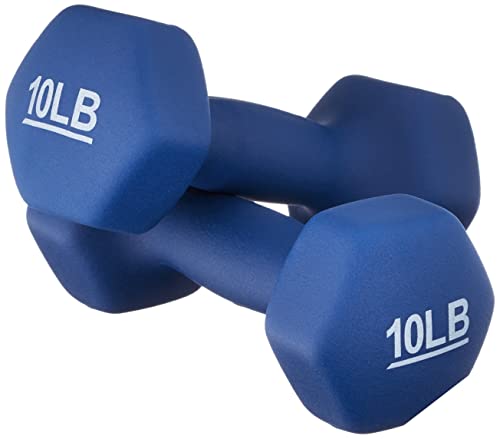
If you want to check out some of my calisthenics must-haves, click on the equipment below and start your fitness journey from home!