Introduction to Whole Foods and Fitness
What are whole foods? Whole foods are defined as natural foods that are unprocessed or minimally processed, retaining their full nutritional value. These foods typically include fresh fruits, vegetables, whole grains, nuts, seeds, and lean proteins. Whole foods can transform your health journey and improve your physical performance. In my personal experience, I have noticed that every time I slip (whether it’s a glass of wine, snacking on processed foods, or eating compulsively – ex. all you can eat buffets), it affects me emotionally, and in the next day I will feel it physically as well. My energy levels are off, my strength seems to go down, and my stamina takes a big hit. I can truly notice a big difference in my performance and physique. This is just a harsh reminder that food is more than fuel; it can break your performance and sabotage your goals.
Since I transitioned to a diet focused on whole foods (or Keto), reduced my sugar intake, and spent weeks or even months without drinking alcohol, the changes were remarkable! I started to experience better energy levels, recovery times improved, and I have an overall sense of well-being. Whole foods are definitely crucial in delivering essential nutrients that support muscle growth, enhance metabolic functions, and regulate energy.
The Consequences of Processed Foods on Performance
The consumption of processed foods, characterized by high levels of sugar, refined grains, and unhealthy fats, can drastically affect your physical performance and overall fitness goals. Processed foods might satisfy cravings, but they will also contribute to inflammation of the body, spike blood sugar levels, dehydrate the body, and leave you sluggish. And when your body spends more energy detoxifying chemicals or managing sugar crashes, that’s less energy available for recovery and progress.
Besides that, the excessive consumption of processed foods and high-sugar foods will lead to weight gain, no matter how hard you train. There is a saying, “Getting fit is 80% diet and 20% exercise”, and it’s true. It’s really hard to overcome a bad diet.
However, you don’t have to be perfect. I’m certainly not. But you must prioritize clean eating. If you are a fitness enthusiast, you should strive to enhance your performance.
Pre-Workout Snacks: Fueling Your Body
Early in the morning, I like to do my workouts with an empty stomach, but later in the afternoon, especially if I am doing strength training, I like to have a proper pre-workout snack to help me with my energy levels and endurance. Here are 3 pre-workout snack options that embrace the whole foods philosophy and will boost your energy levels without a crash:
1. Banana with Nut Butter
The first option is a banana paired with a nut butter (peanut or almond, you choose). Bananas are rich in carbohydrates and provide a quick source of natural energy, aiding in performance enhancement. The potassium content in bananas helps to counterbalance muscle cramps as well. When combined with nut butter, the healthy fats and protein amplify satiety and provide sustained energy release.
2. Greek Yogurt with Berries and Oats
Next, consider Greek Yogurt with mixed berries and rolled oats. Greek yogurt is an excellent source of protein, essential for muscle repair and growth. The addition of mixed berries introduces antioxidants, which combat workout-induced oxidative stress, and the oats will provide natural sugars that enhance your energy levels. This tasty snack not only provides you with enough energy for your workouts but also supports recovery post-exercise thanks to its nutrient density.
3. Protein Chia Pudding or Overnight Oats
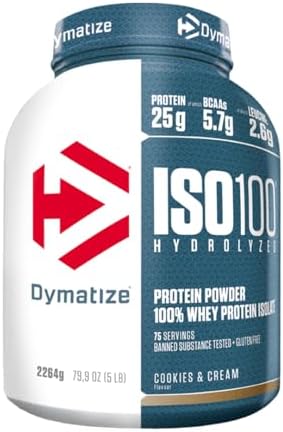
Lastly, Protein Chia Pudding or Protein Overnight Oats will fill your body with the required nutrients for a challenging workout. To prepare either option, simply follow your standard recipe, but incorporate a scoop (20-25g) of your favorite protein powder (I like to alternate between vanilla whey protein and chocolate whey protein). Chia Pudding offers a lighter option with fewer carbohydrates, ideal for lighter training days or after an early morning session. On the other hand, Overnight Oats provide a more substantial dose of complex carbs, fiber, and protein, making them my go-to when I’m gearing up for a strength training session. The added whey supports muscle readiness, while the slow-releasing carbs from oats deliver steady energy.


Post-Workout Meals: Refuel, Repair, and Recover
After a good workout, your body needs the proper nutrients to repair muscle tissue and replenish the glycogen stores. Consuming whole foods that are rich in both macronutrients and micronutrients can significantly enhance recovery and help you achieve your fitness goals. Here are 3 post-workout meal ideas that will help you support muscle repair and replenish energy stores.
1. Chicken Breasts with Quinoa and Broccoli
One of my favorite go-to meals is chicken breasts with quinoa and broccoli. Chicken breast is an excellent source of lean protein, crucial for repairing and building muscle after a tough workout. It’s low in fat and high in essential amino acids, making it ideal for anyone focused on body composition and strength. Quinoa provides complex carbohydrates that replenish depleted glycogen stores while also offering some plant-based protein with fiber, magnesium, and iron. Adding broccoli (whether sautéed or steamed, your choice) not only boosts the meal’s fiber content but also vitamins like C and K, which support immune function and reduce inflammation
2. Salmon with Sweet Potato and Roast Vegetables
My second favorite is salmon with sweet potato and roasted vegetables. Salmon is a powerhouse of lean protein and omega-3 fatty acids, which play a key role in reducing inflammation and supporting muscle repair after intense workouts. Sweet potato acts as a rich source of complex carbohydrates, helping to restore energy levels by replenishing glycogen stores. Roasted vegetables, such as zucchini, mushrooms, broccoli, and brussels sprouts, add fiber, antioxidants, and essential micronutrients, rounding out this meal as a nutrient-dense option that supports both recovery and overall health.
3. Apple & Oats Protein Smoothie
When I am short on time or have a late workout (until 9-9:30 pm), a great option, in my opinion, is a smoothie. This is my go-to smoothie, it’s made with apple, almonds, oats, cinnamon, flax seeds, vanilla whey protein (30-35g), and milk of your choice (sometimes I use whole milk, sometimes I use almond milk). Apples provide natural sugars and fiber for gentle digestion. Almonds and flax seeds offer healthy fats and micronutrients that support recovery. Oats add complex carbs for satiety, while cinnamon helps regulate blood sugar levels. The whey protein ensures that your muscles get the amino acids they need for repair, even late at night. This smoothie is quick, balanced, and light enough to support recovery without feeling too heavy before going to bed.
If you are looking for more delicious, nutrient-dense, and healthy recipes to refuel your body after a good workout, click on the link below. This recipe book is filled with easy, wholesome meals specifically designed to support recovery, boost energy, and help you stay on track with your goals.