
As we get closer to Christmas and New Year’s, food (the overconsumption of it) naturally becomes a big part of the celebration. Holiday dinners, desserts, drinks with friends, and family gatherings can easily turn into several days of overindulgence. These moments are a meaningful part of the season, but they can have a noticeable impact on energy levels, fitness progress, and overall health if they go on for too long.
Listen, the goal isn’t to avoid holiday foods altogether. You don’t need to skip your favorite foods and “create a bad environment” at your friend and family gatherings. Instead of going all in every single day, try planning one or two cheat days and keeping things balanced for the rest of the week. This approach lets you enjoy the holidays without completely compromising your health and fitness goals in the long run.
At the end of the day, the holidays should be about enjoying life and spending time with the people you care about, not stressing over food. A little structure goes a long way, and understanding the basics of nutrition can help you stay on track while still enjoying the season and having fun.
Understanding the Basics of Nutrition
Understanding nutrition is critical, especially when we go through the holiday season. At its core, nutrition is about giving your body the right fuel so it can function properly, recover well, and support your fitness goals.
Nutrition is built around two main types of nutrients: macronutrients and micronutrients.
Macronutrients (carbohydrates, proteins, and fats) play an important role in how you feel and perform. Carbohydrates are your body’s main energy source, helping fuel workouts and daily activities. Proteins support muscle repair and growth, especially if you’re training regularly. Fats provide long-lasting energy and help your body absorb important vitamins. When these three are balanced, your body runs more efficiently.
Micronutrients (vitamins and minerals) are needed in smaller amounts, but they’re just as important. They support everything from immune health to bone strength and energy production. Calcium and vitamin D help keep bones strong, while B vitamins help turn food into usable energy. A balanced diet helps ensure you’re not missing these essentials.
Beyond physical performance, nutrition also affects mental health. Nutrients like omega-3 fatty acids, found in foods such as fatty fish, support brain health and mood. When you consistently eat a variety of nutrient-rich foods, you’re not just fueling your workouts; you’re supporting your overall well-being as well.
How Nutrition Supports Your Fitness Goals
No matter what your goal is (fat loss, muscle gain, or improved performance) nutrition plays a major role. What you eat influences your energy levels, recovery, strength, and consistency in your workouts.
For weight loss, the key factor is a calorie deficit, meaning you burn more calories than you consume. This doesn’t require extreme dieting. Focusing on whole, nutrient-dense foods like vegetables, fruits, lean proteins, and whole grains makes staying in a deficit more sustainable.
For muscle building, your body often needs a slight calorie surplus along with enough protein to support muscle repair and growth. Foods like eggs, poultry, fish, dairy, and legumes can help meet those needs, especially when paired with consistent strength training.
Meal timing can also help. Eating carbohydrates before workouts can improve performance, while protein after training supports recovery. Hydration is just as important. Being even slightly dehydrated can negatively affect strength, endurance, and focus.
There’s no perfect diet for everyone. Some people do well with a Mediterranean-style approach, others prefer the Keto Diet, while others prefer tracking macros. The best plan is the one that fits your lifestyle and keeps you consistent long-term.
What Happens When You Have an Imbalanced Diet
When nutrition is consistently overlooked, the effects start to add up. One common result is unwanted weight. Consuming excess calories without enough nutrients encourages fat storage and increases the risk of chronic conditions like heart disease and diabetes.
Low energy is another red flag. Without enough carbohydrates, protein, and key micronutrients, the body struggles to produce energy efficiently. This leads to fatigue, low motivation, and less movement, making it harder to stay active and reach fitness goals.
Poor nutrition can also weaken the immune system. Nutrients like vitamins A, C, D, and zinc play a major role in immune function. When intake is low, recovery slows, illness becomes more frequent, and training consistency suffers.
Mental health can take a hit as well. Nutrient deficiencies may contribute to mood swings, brain fog, and low motivation. On the flip side, eating well supports both physical performance and mental clarity, helping you stay focused and resilient.
Supplementing for Nutritional Gaps
A balanced diet should always be your first priority, but supplements can be helpful, especially during busy or demanding periods like intense training phases or calorie deficits/surpluses.
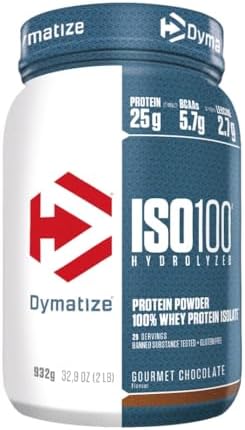
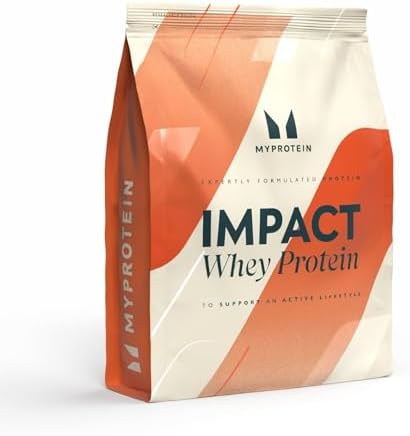
Protein powder is one of the most practical supplements, particularly if you struggle to hit your daily protein intake through food alone. A high-quality whey (or plant-based protein if you prefer) can make post-workout nutrition easier and more convenient.

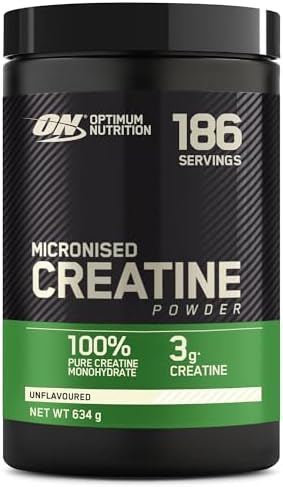
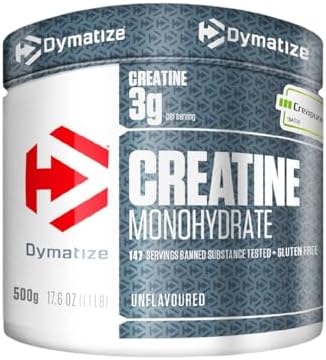
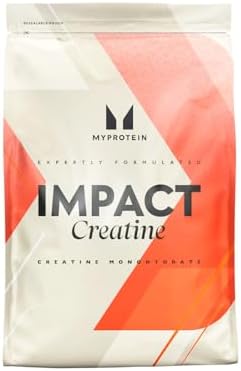
Creatine is one of the most researched and effective supplements, not just for physical performance and muscle recovery, but for brain health and cognitive function as well. Creatine supports your body’s ability to produce energy during high-intensity exercise and can help maintain performance even when calories or carbs are lower. But it also helps you support the brain’s energy demands, which can improve mental clarity, focus, and resilience during periods of stress, fatigue, or sleep disruption.
Vitamins and minerals can also help fill gaps. Multivitamins, vitamin D, magnesium, and zinc are commonly used to support energy levels, immune health, and recovery, especially when food intake isn’t perfect. (I personally don’t take multivitamins, but I take Vitamin D3 & K2 every single morning, Zinc after lunch, and Magnesium Glycinate after intense evening workouts).



That said, supplements should support your diet, not replace it. Whole foods provide fiber, antioxidants, and other compounds that supplements can’t fully replicate. When used thoughtfully, supplements can make staying on track easier without overcomplicating your routine.