
This post is about supplements, but believe me when I say I am not a big fan of taking a cabinet full of supplements on a daily basis.
I believe that training hard, eating nutritious food and meals, and sleeping well, are the true foundations, and then using supplements when they fix a real need.
Knowing when to use them to support your goals and your lifestyle is the trick. This post is about the supplements I personally take to reach my own goals. Nothing fancy. Nothing extreme. Just what works for me.
1. Vitamin D – My Morning Habit
Vitamin D plays a crucial role in maintaining overall health. This vitamin is often referred to as the “sunshine vitamin,” and is essential for bone health, immune function, and mood regulation. When our skin is exposed to sunlight, it synthesizes vitamin D naturally. However, most people today have low vitamin D levels, especially because they rarely spend any time in the sun. That’s why vitamin D is one of the few supplements I take every single day.
Vitamin D supports:
- Improve the immune system
- Overall health
- Mood and energy
- Hormone balance
To avoid any potential deficiencies and to help me feel my best, I have incorporated a vitamin D supplement into my morning routine. This simple habit aligns seamlessly with my overall health goals, promoting sustained energy throughout the day and reducing the risk of getting seasonal illnesses.
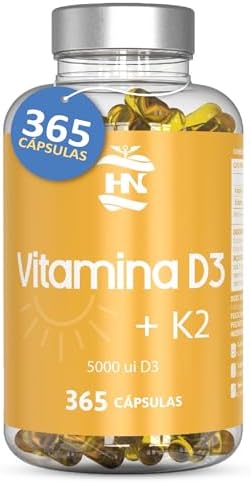
NOTE: To avoid any possible side effects of taking vitamin D3 for long periods, you should take vitamin K2 at the same time. Why? Because vitamin D3 increases calcium absorption in your intestines, and vitamin K2 helps move calcium from the blood and push it into the bones, where it belongs.
👉 Here are the vitamin D supplements I personally use and recommend:


2. Collagen – Every Other Day
When people hear about collagen, they usually associate it with beauty (hair, skin, and nails). However, collagen is much more than that. Collagen is a fundamental protein that plays a crucial role in supporting joint, tendon, and ligament health. I believe that individuals engaging in physically demanding activities, such as calisthenics and gymnastics, should consider taking it.
By incorporating one scoop of collagen into my supplement routine, I have experienced significant benefits, especially in recovery (when you are in your 20s, you don’t feel the need, but when you reach your 30s, it definitely makes a difference). I don’t take collagen daily; I take it every other day, and so far it has worked for me.
Collagen has been shown to support:
- Joints
- Ligaments
- Tendons
- Long-term training durability
Various studies indicate that collagen supplementation can significantly reduce the risk of injuries, particularly in ligaments that are engaged during both strength training and skill-based training. By strengthening the integrity of these tissues, you may experience fewer strains and sprains, allowing you to maintain a consistent training routine without unnecessary interruptions.
Another important benefit of collagen is its role in recovery. After intense training sessions, the body undergoes a healing process where collagen supports tissue regeneration and nutrient delivery. This improved recovery can lead to better performance and more consistent progress over time.
NOTE: Collagen is not a complete protein and does not stimulate muscle growth on its own because it lacks key amino acids. If muscle growth is your main goal, whey protein or other complete protein sources will be way more effective.
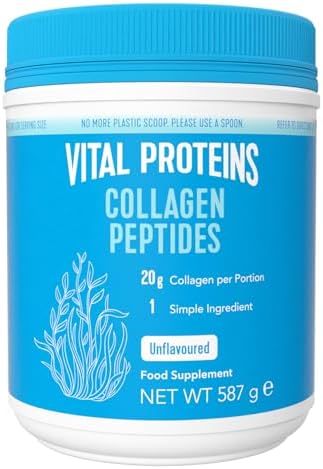
👉 These are the collagen supplements I personally recommend:
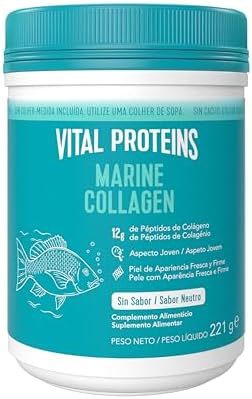
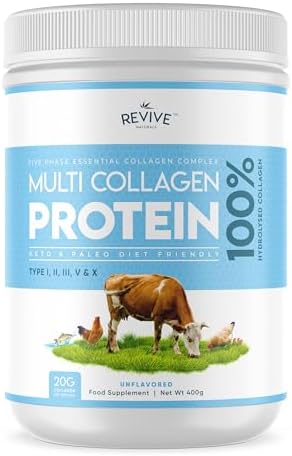
I usually consume whey protein after resistance training or high-intensity interval training (HIIT) sessions because protein plays a crucial role in muscle repair and recovery after these demanding workouts.
3. Whey Protein – Take it When Needed
Whey protein is not in any form a replacement for real food, and that’s why I don’t take it daily. I use it when I need an extra protein source to meet my daily intake or when I’ve had a less nutritious meal.
When you engage in intense, high-volume training, your muscles experience micro-tears, which require adequate protein to repair and grow stronger. This is where whey protein becomes useful. A post-workout shake helps me meet my macro goals, and because whey is quickly absorbed, it delivers essential amino acids to the muscles fast, supporting efficient recovery and muscle growth.
For example, on cardio-only days, low-intensity workouts, or rest days, I skip it completely. I always prioritize a healthy meal. This approach ensures that my nutrition aligns with the specific demands of each training day/session, supporting both performance and long-term health.
NOTE: I personally haven’t experienced any downsides, possibly because I don’t consume it daily. However, some people experience digestive discomfort, bloating, or acne, especially if they are lactose sensitive or consume more protein than their body can effectively use.
👉 Here are the whey proteins I love most and consume:
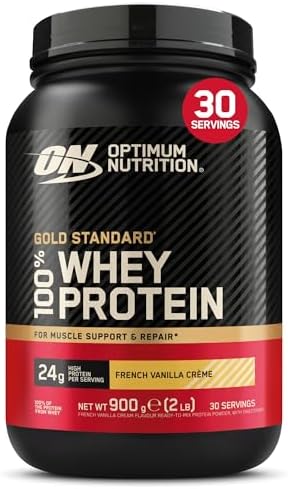


4. Creatine – 3-5 Grams Per Day
In my daily routine, I try to incorporate creatine as a daily supplement. Creatine is a molecule naturally produced by the body, and it’s also found in food (example: red meat). It is widely known for improving performance during high-intensity exercise and increasing strength and muscle mass.
However, the benefits extend beyond that. Research has also shown that creatine enhances brain health, memory, recovery, and metabolism. Given these advantages, I consider creatine to be an essential supplement.
Creatine helps with:
- Brain health and memory
- Energy levels and endurance
- Muscle recovery
- Muscle strength
- Mood support
- Bone and gut health
I usually take 3-5 grams per day, but I am not overly strict about it. What I mean is, on my rest days or during holidays, I often don’t take any creatine at all. I’m aware that many studies suggest consistent daily use to fully saturate muscle stores and maximize benefits, but this flexible approach works well for me and my personal goals.
NOTE: Hundreds of controlled studies confirm that creatine is safe and effective. The most common side effect is temporary water retention in the muscles, which may slightly increase body weight, and some people dislike it because they prefer a “dry” look.
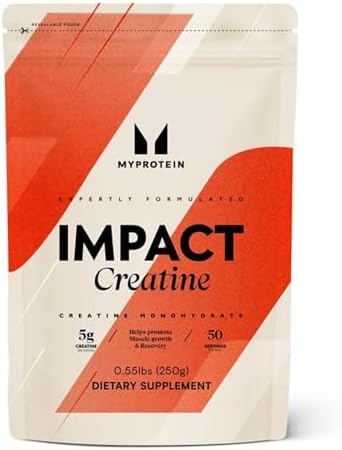
👉 You will only need Creatine Monohydrate, and these are the brands I use:

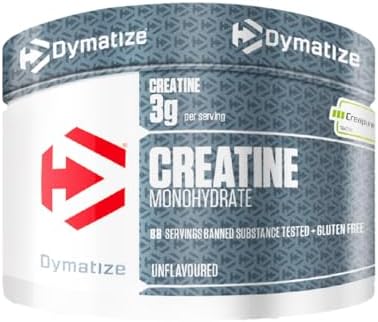
5. Magnesium – After Intense Workouts
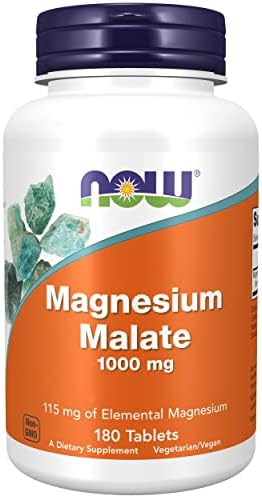
Whenever I train hard in the afternoon, I usually take magnesium glycinate or magnesium malate before going to bed. After an intense workout, magnesium plays a key role in muscle function and recovery.
Magnesium helps with:
- Muscle relaxation
- Recovery
- Sleep quality
- Nervous system support
Magnesium has been shown to help reduce muscle cramps (something I personally struggled with) and improve sleep quality, both of which support better recovery after intense physical activity. It’s a great way to wind down after pushing hard.
NOTE: High doses and/or poorly absorbed forms of magnesium (such as magnesium oxide or sulfate) can cause diarrhea or stomach discomfort, especially when taken on an empty stomach.
👉 Don’t go for cheap magnesium, stick with magnesium glycinate or magnesium malate: