
Understanding the Importance of Rest Days
If you are serious about getting stronger, healthier, and performing your best, there’s one simple thing that you can not afford to skip, and that’s Rest Days. Every time you train hard (whether it’s a tough calisthenics session or weight lifting), muscles will suffer micro-tears, which require time to repair. Rest Days are fundamental because they allow you to recover, enabling your muscles to heal, grow stronger, and adapt to physical stress.
If you are going too hard and you don’t give your body time to rest, it’s just a matter of time until you hurt yourself. In my early days, I was obsessed with reaching 100 pushups. I trained for pushups every single day for 2 weeks straight. The result? Injury… Nothing serious, but it slowed my progress drastically.
Overtraining is real, and without enough recovery, you might end up experiencing joint pain, constant soreness, tendonitis, or even stress fractures. Planning regular Rest Days into your week is a simple way to prevent injury. A study published in the Journal of Sports Sciences found that regular rest significantly reduces the risk of both acute and chronic injuries, highlighting how crucial recovery is as a preventive strategy.
And let’s not forget the mental aspect of recovery. Training consistently takes discipline, but even the most dedicated people feel worn out sometimes, not just physically, but mentally as well. Rest Days provide necessary psychological benefits, giving you space to do other things you enjoy, check in with yourself, and come back to your next session fresh, energized, and motivated.
The Science Behind Muscle Recovery
Muscle recovery is a critical component of effective training. Every time you workout, your muscles go through tiny amounts of stress. They develop micro tears in the fibers, and it’s your body’s job to repair them. This repair process (called muscle hypertrophy) is what makes your muscles grow stronger and bigger. But it doesn’t happen during the workout. It happens after, when you rest.
When you rest, your body activates satellite cells, which help repair those micro-tears by fusing with the damaged fibers. This not only helps with healing but also improves muscle function and performance over time. During this time, protein synthesis kicks in too, working like a construction crew rebuilding your muscles stronger than before. But here’s the catch: if you don’t give your body enough time to do all this work, you will end up slowing down your progress.
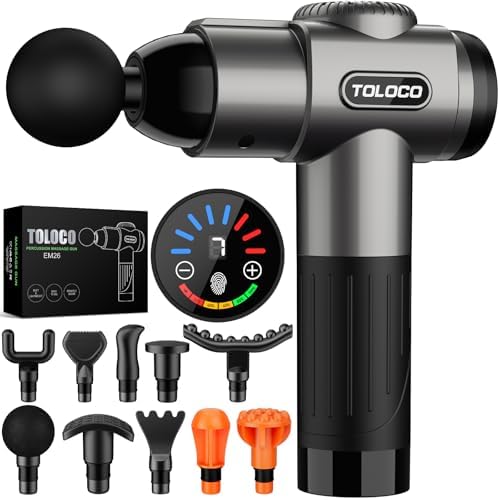
Overtraining syndrome happens when your body cannot keep up with the constant demand. You might feel exhausted all the time, sore for days, and even notice your performance drop. That kind of burnout can crush your motivation and increase your risk of injury (it happened both to me…). One thing that I like to do from time to time is go to a Chiropractor, or use a foam roller or a massage gun to relieve tight muscles.

Understanding how recovery works isn’t just about avoiding soreness or injury; it’s about making your workouts more effective. The better you recover, the better you perform. It’s that simple.
Tips for Improving Sleep Quality
When it comes to recovery, few things are more powerful than a good night’s sleep. If you’re training hard and eating clean but still feeling sluggish or sore, poor sleep could be what’s holding you back. Getting quality, restorative sleep gives your body the chance to rebuild, reset, and recharge.
Achieving restorative sleep is fundamental for optimal recovery and performance. Our body loves routines, so having a consistent bedtime routine plays a vital role. Going to bed and waking up at the same time every day (even on weekends) helps regulate your internal clock, making it easier to fall asleep and wake up feeling refreshed.
Sleep environment has a huge effect on one’s ability to fall and stay asleep. A dark, quiet, and cool room can create the right atmosphere for a restful night. Just a few small changes can make a big difference, such as:
Keep it dark: get some blackout curtains or a sleep mask.
Minimize noise: earplugs are the best. You can also try some white noise machines.
Keep it cool: around 68°F (20°C) is ideal for me. But somewhere between 18-20ºC should be ok for most people.
Good mattress and pillows: do not underestimate the power of a good pillow and mattress as well.
Another important thing that disrupts your sleep is what you eat and when you eat. Heavy meals, caffeine, and alcohol too close to bedtime are not your friends. I usually have a late dinner (between 8h30-9h30pm, and I go to bed around 12am), but when I end up having dinner earlier (between 7h-7h30pm), I usually have a little snack before going to bed (for example: a banana with peanut butter, or a plain yogurt with kiwi and oats).
And one of the greatest sleep disruptors of today’s world is? Screens. I don’t have any electronics in my bed, but sometimes I find myself being a victim of mindless scrolling on my smartphone before bed… Yes, I know that the blue light from phones, tablets, and laptops messes with our melatonin production, which disrupts our body’s natural sleep-wake cycle. However, I am trying to be consistent with my digital curfew before bed (for example, reading a book or meditating). If you like reading on your Kindle or your Smartphone, then I recommend that you use some Blue light-blocking glasses.

- 【Materiales de Alta Calidad y Diseño úNico】Nuestras gafas gaming son ligeras y están fabricadas con un marco de policarb…
- 【Las Mejores Gafas para Juegos para Hombre y Mujer】Un marco ligero, elegante y multifuncional, ideal para usarlas con au…
- 【Protección Mejorada de 8 Capas】Okany gafas para ordenador están equipadas con filtros de luz azul integrados en las len…
Avoiding Burnout and Injuries
If you are like me, chasing a fitness goal is exciting, but sometimes we push ourselves a little too far. Sometimes we overlook the critical role that rest days have in maintaining optimal performance and overall well-being.
So, what’s the first step in preventing burnout or injury? Pay attention to your body. If you’re feeling constantly drained, have soreness for longer than usual, or notice a drop in your performance, those are all red flags. Your body is telling you it needs a break. Implementing a scheduled rest day every 3, 5 to 7 days will allow your body to recover properly.
It doesn’t mean you should sit down on your sofa and binge-watch Netflix the whole day. You can do some active recovery, for example. And what is that? It’s a great way to keep your body moving without adding additional stress. Such activities as a walk outside, a stretching session, or casual cycling. These activities boost circulation, ease soreness, and help your muscles recover.
It’s also important to give your mind a break. The stress and constant pressure to “do more” and achieve a certain goal as fast as possible can have a serious impact on your energy and motivation.
So, what do I do on my rest days? My favorite activities are reading a book and taking walks outside (preferably in nature).
There is also one supplement that I find a must-have for recovery, and that’s Magnesium. Magnesium helps relax our muscles and supports better sleep. It’s just a small habit that I started a year ago, and I ended up sticking to it because it really makes a difference in my recovery.
NOTE: If you are going to take Magnesium, don’t waste your money and buy Magnesium with a high absorption rate, such as Magnesium Glycinate or Magnesium Malate.



Build your own sustainable routine. Rest days aren’t going to slow you down, they will make your progress more sustainable. So next time you’re tempted to push through when your body’s asking for rest, remember: doing less now could help you do a whole lot more later.