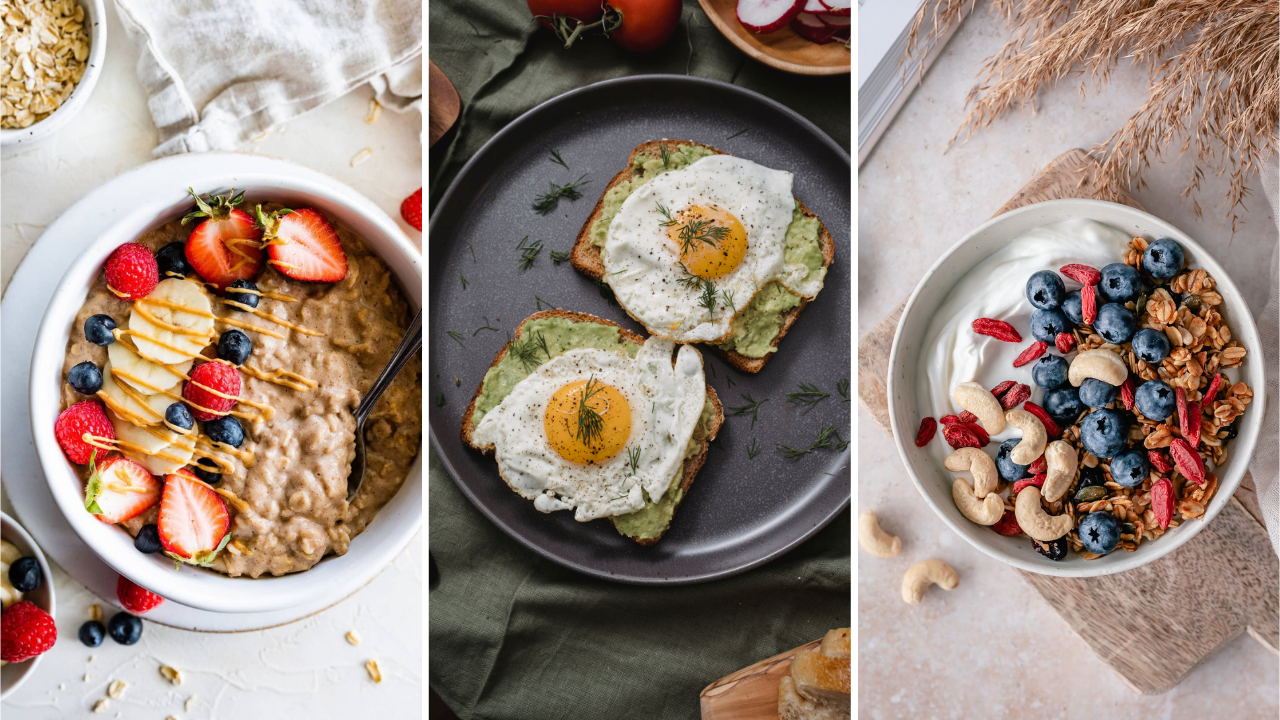
If you are like me, you don’t want to eat the same thing every morning. And why do you ask? Because I like diversity, and since my training sessions are not the same, why should my breakfast be?
A short strength session demands something different from a hard HIIT workout, and a casual 3K run doesn’t require the same recovery meal as a proper resistance session. Since I train fasted 90% of the time, I build my first meal around the type of training I do that morning. That makes getting a decent amount of protein and food into that meal important to me.
When I’ve done a 15–20 minute strength session, my priority is muscle recovery and growth, so I want a solid serving of protein, enough carbohydrates to support recovery, healthy fats, and some fruit or vegetables.
After HIIT, I still prioritize protein, but I tend to give carbohydrates a little more attention because the session is more demanding.
After an occasional 3K run, I don’t need to compensate for a huge amount of energy expenditure. I keep breakfast lighter and avoid adding unnecessary calories, so I can maintain my body weight.
No, I don’t track every gram of food I take, but I have a general idea. What’s important is to have a sensible post-workout breakfast that helps me hit my nutritional needs, recover properly, control hunger, and stay consistent.
Below you will find the breakfasts I actually eat or choose from, organized by the type of my morning training.
Nutrition targets: These aren’t must-follow rules. They’re just ranges that I personally find practical to follow for these breakfasts.
Nutrition note: All nutrition values are approximate estimates based on the ingredients and quantities listed. Actual values will vary depending on the brands, serving sizes, and the cooking methods you use.
Strength Training Breakfast Ideas
If I’ve done a strength training session in the morning, I want my breakfast to give me enough protein to support recovery, along with carbohydrates, some healthy fats and fruit.
Nutrition target: ~40 g protein + moderate/high carbohydrates + moderate fat + fruit
| Breakfast | Approx. kcal | Protein | Carbs | Fat | Option |
|---|---|---|---|---|---|
| Eggs + toast | ~610 | ~42 g | ~53 g | ~28 g | A |
| Protein oatmeal | ~550 | ~40 g | ~57 g | ~18 g | B |
| Banana Protein pancakes | ~530 | ~39 g | ~64 g | ~15 g | C |
| Protein French toast | ~520 | ~39 g | ~55 g | ~18 g | D |
| Greek yogurt bowl | ~470 | ~38 g | ~42 g | ~17 g | E |
Option A — Eggs + Toast
- Ingredients
- 3 eggs (fried or scrambled)
- 2 slices whole-grain bread
- 1 kiwi
- ½ avocado
- 1 cup of black coffee
- 15g collagen powder
Approximate nutrition: 610 kcal | 42 g protein | 53 g carbs | 28 g fat
Option B — Protein Oatmeal
- Ingredients
- 50 g of rolled oats
- 150ml of whole milk
- 30 g whey protein
- 100g of berries
- 12 g peanut butter (topping)
Approximate nutrition: 550 kcal | 40 g protein | 57 g carbs | 18 g fat
Option C — Banana Protein Pancakes
- Ingredients
- 1 ripe banana, smashed
- 60 g oats
- 2 eggs
- 20 g whey
- Cinnamon
- 1 cup black coffee
Approximate nutrition: 530 kcal | 39 g protein | 64 g carbs | 15 g fat
Option D — Protein French Toast
- Ingredients
- 2 whole eggs
- 20 g whey protein
- 2 slices whole-grain bread (~70 g total)
- 50–60 ml milk
- Cinnamon
- 5 g butter
- 100 g berries or 1 small piece of fruit
- 1 cup black coffee
Approximate nutrition: 520 kcal | 39 g protein | 55 g carbs | 18 g fat
Option E — Greek Yogurt Bowl
- Ingredients
- 250 g low-fat Greek yogurt or skyr
- 30 g oats or granola
- Berries or small piece of fruit
- 20 g nuts
Approximate nutrition: 470 kcal | 38 g protein | 42 g carbs | 17 g fat
HIIT Breakfast Choices
High-Intensity Interval Training (HIIT) is a demanding workout style, so I generally give carbohydrates a little more attention alongside protein.
Nutrition target: ~30–40 g protein + high carbohydrates + moderate fat + fruit/vegetables
| Breakfast | Approx. kcal | Protein | Carbs | Fat | Option |
|---|---|---|---|---|---|
| Banana protein pancakes | ~530 | ~39 g | ~64 g | ~15 g | A |
| Eggs + toast + fruit | ~630 | ~36 g | ~74 g | ~22 g | B |
| Protein oatmeal | ~485 | ~39 g | ~60 g | ~14 g | C |
| Sweet potato breakfast | ~540 | ~27 g | ~68 g | ~20 g | D |
| Greek yogurt bowl | ~440 | ~34 g | ~68 g | ~8 g | E |
The reason your HIIT section can reasonably be a little more carbohydrate-forward is that higher-intensity exercise relies substantially on carbohydrate availability, and glycogen is a key fuel for repeated high-intensity work.
Option A — Banana Protein Pancakes
- Ingredients
- 1 ripe banana, smashed
- 60 g oat flour
- 2 eggs
- 20 g whey
- Cinnamon
- 1 cup black coffee
Approximate nutrition: 530 kcal | 39 g protein | 64 g carbs | 15 g fat
Option B — Eggs + Toast + Fruit
- Ingredients
- 3 eggs (fried or scrambled)
- 2 slices whole-grain toast
- 1 banana
- 1 kiwi
- 1 cup black coffee
- 12 g of collagen powder
Approximate nutrition: 630 kcal | 36 g protein | 74 g carbs | 22 g fat
Option C — Protein Oatmeal
- Ingredients
- 50 g rolled oats
- 150 ml low-fat milk
- 25-30 g whey protein
- 1/2 banana (sliced)
- Cinnamon
- 10 g peanut butter (topping)
Approximate nutrition: 485 kcal | 39 g protein | 60 g carbs | 14 g fat
Option D — Sweet Potato Breakfast
- Ingredients
- 3 eggs, scrambled
- 1 roasted sweet potato (~175 g)
- 100 g sautéed spinach
- 5 g of virgin olive oil
- 1 banana on the side
- 1 cup of black coffee
Approximate nutrition: 540 kcal | 27 g protein | 68 g carbs | 20 g fat
Option E — Greek Yogurt Bowl
- Ingredients
- 250 g low-fat Greek yogurt or skyr
- 35 g muesli
- 100 g Frozen berries
- 1 banana on the side
Approximate nutrition: 440 kcal | 34 g protein | 68 g carbs | 6 g fat
Breakfast for Occasional Runners
After my morning run, I prefer to have a lighter breakfast to support weight maintenance, while still controlling hunger and achieving effective recovery.
Nutrition target: ~25–30 g protein + moderate carbohydrates + moderate/low fat + fruit
| Breakfast | Approx. kcal | Protein | Carbs | Fat | Option |
|---|---|---|---|---|---|
| Scrambled eggs | ~430 | ~28 g | ~56 g | ~14 g | A |
| Small protein oatmeal | ~360 | ~23 g | ~40 g | ~12 g | B |
| Yogurt Bowl | ~320 | ~27 g | ~28 g | ~8 g | C |
| Protein toast & fruit | ~390 | ~24 g | ~44 g | ~11 g | D |
Option A — Scrambled Eggs
- Ingredients
- 2 eggs
- 1 slice whole-grain toast (~40 g)
- 1 medium banana
- 1 kiwi
- 1 cup of black coffee
- 12g collagen powder
Approx. nutrition: 430 kcal | 28 g protein | 56 g carbs | 14 g fat
Option B — Small Protein Oatmeal
- Ingredients
- 40 g rolled oats
- 120 ml whole milk
- 20 g whey protein
- 50 g berries
- Cinnamon
- 5 g peanut butter
Approx. 360 kcal | 23 g protein | 40 g carbs | 12 g fat
Option C — Yogurt Bowl
- Ingredients
- 225 g low-fat Greek yogurt or skyr
- 50 g berries
- 1 kiwi
- 15 g almonds or walnuts
Approx. 315 kcal | 27 g protein | 28 g carbs | 8 g fat
Option D — Protein Toast & Fruit
- Ingredients
- 1 slice of whole-grain toast
- 1 large egg (fried)
- 120 g plain Greek yogurt
- 1 kiwi
- ½ banana
- Cinnamon
- 1 cup black coffee
Approx. 390 kcal | ~24 g protein | ~44 g carbs | ~11 g fat
The Products I Actually Use
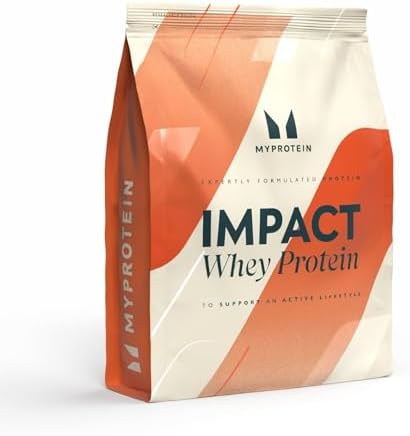
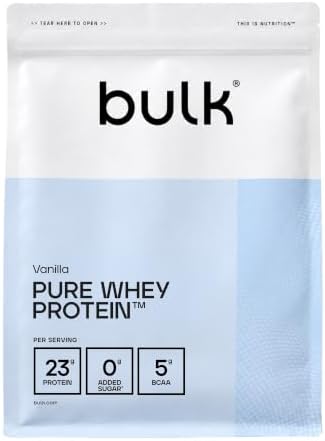
I use whey protein in a few of my breakfasts recipes, particularly on protein oatmeal and pancakes. For me, the main benefit is simple: it’s an easy way to increase the protein content of a meal without making breakfast much bigger.
I usually use around 20–30 g, depending on the recipe.
→ Check the whey protein I use on Amazon

Another supplement I take is collagen powder. I don’t use it as a replacement for my main protein sources. It’s simply an extra part of my routine that fits easily into my morning coffee.
I add around 12–15 g of collagen powder to my black coffee, depending on the training session and the breakfast.
→ Check the collagen powder I use on Amazon
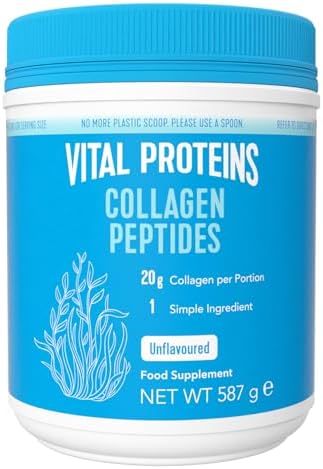
- Colágeno Hidrolizado Tipo I, III: Péptidos de colágeno hidrolizado sin sabor, de origen bovino, diseñados para integrars…
- Sin Gluten, Paleo: Elige Vital Proteins para un suplemento de colágeno de alta calidad. Ideal para quienes siguen una di…
- 20g de colágeno por dosis: Cada dosis aporta 20 g de péptidos de colágeno para tu rutina diaria. Puedes añadirlo fácilme…
Conclusion and Call to Action
By aligning my breakfast choices with my workout routines, I am essentially maximizing my odds of improving both performance and recovery.
I believe it is important to consider the type of breakfast that best supports each exercise routine. For instance, if you engage in high-intensity workouts as I do, a breakfast rich in carbohydrates and protein can provide the necessary fuel and recovery benefits. However, if you do lighter exercises such as yoga or Pilates, maybe you will benefit from a breakfast that is light and focused on easily digestible nutrients. Understanding and tailoring your breakfast can significantly influence your outcomes.
I encourage you to experiment with the various breakfast options shown previously. Do not hesitate to modify the suggested recipes; they are just guidelines, so adapt them to your personal taste and restrictions.
Now it’s time to get up and get to work 💪 If you want to check my morning workout routine, click on the link bellow.
– https://wholemanliving.com/my-morning-workout-routine/